


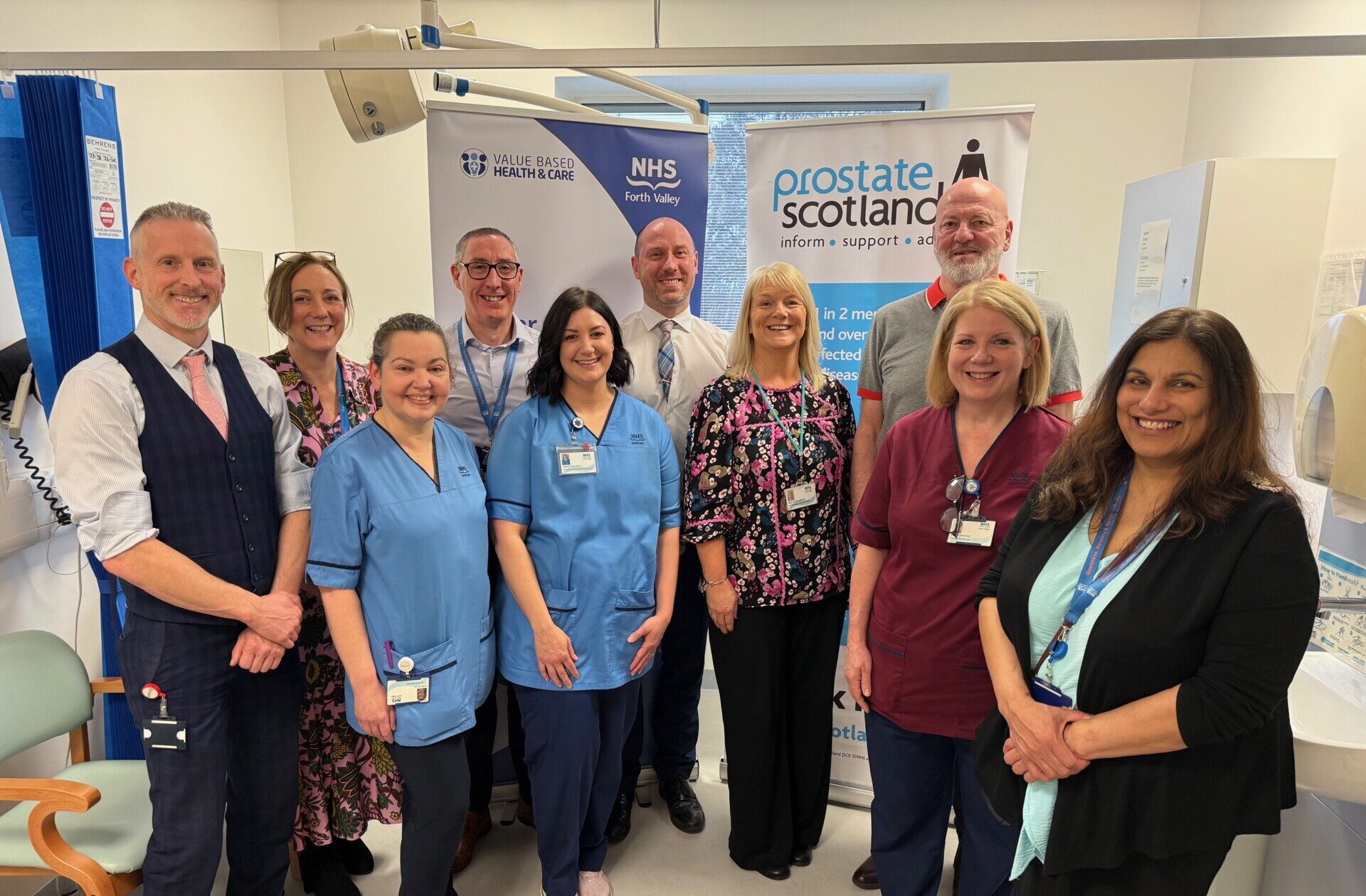
Patients with Cancer Benefit from Additional Dedicated Support
An innovative approach, first trialled in NHS Forth Valley, to provide dedicated support to patients with cancer throughout their treatment journey, is now set to be expanded across Scotland.
Following the success of 12 pilot projects, which have received over £5 million in funding, an additional £1 million will be provided annually to expand the Single Point of Contact (SPOC) service, reaching more people with cancer than ever before. An assessment by Healthcare Improvement Scotland found that over a 12-month period, SPOC services had more than 30,000 interactions with people affected by cancer.
The SPOC service aims to makes life easier for patients with cancer by providing easier access to clinical teams for information and advice about appointments, tests and results, as well as details of the clinical and non-clinical support available for them and their family.
Patient feedback from the pilots highlighted reduced stress around appointments, quicker access to blood results, more time for questions and greater emotional support. Staff involved also reported improved wellbeing and more time for professional development and clinical care.
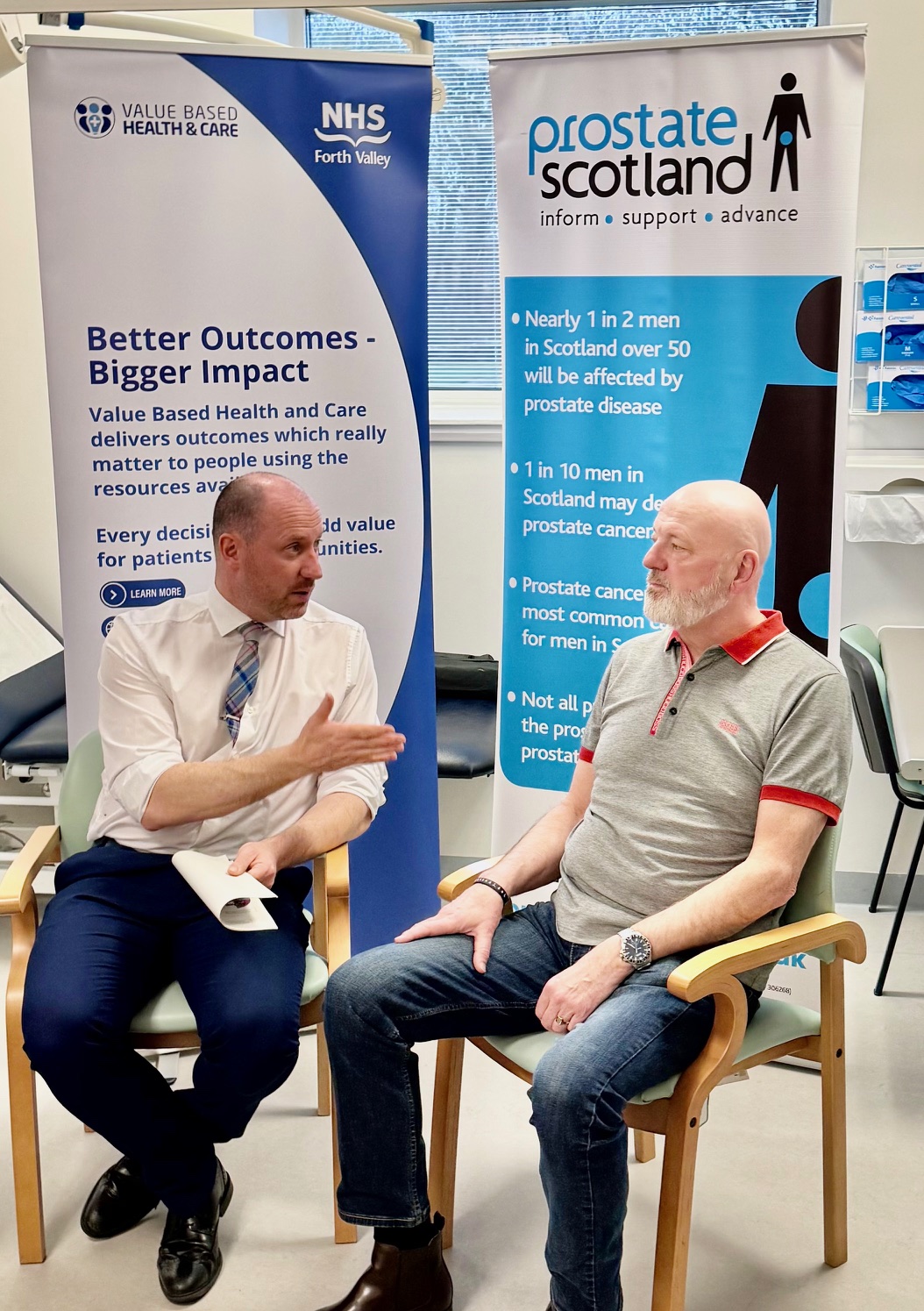
Health Secretary Neil Gray with patient Kenny Shaw
Announcing the expansion at Forth Valley Royal Hospital, where the SPOC navigation team has supported patients since early 2023, Cabinet Secretary for Health and Social Care Neil Gray said: “I am very pleased to roll-out this invaluable initiative which gives people with cancer a consistent contact throughout their treatment, enabling specialist staff to focus on complex clinical care.
“The Single Point of Contact Service ensures cancer patients know exactly who they can turn to when they need advice about their diagnosis or care. The expansion of this programme means more people can benefit from this type of one-to-one support which is truly making a difference.”
NHS Forth Valley Deputy Medical Director for Acute Services Prof Karen Adamson, added: “Digital follow-up for patients with prostate cancer is transforming how we support people after diagnosis. It offers a convenient and efficient way for patients to receive their results and ongoing follow-up, without the need for unnecessary hospital visits.
“In 2024–25, 391 patients received their results and follow-up digitally, releasing the equivalent of 26 Clinical Nurse Specialist clinics so more patients can be seen and supported. Feedback shows patients value the service, describing it as quick, convenient and reassuring.
“This approach reflects our commitment to delivering value-based health and care – improving patient experience and outcomes while making the best possible use of specialist clinical time.”