


At the time of your operation, your wound will be covered with a pad and film dressing. Do not remove this until 6 days after your operation. If you have been given negative pressure dressing (PICO dressing), this will be removed after 7 days. Avoid touching the wound where possible.
Whilst the dressing is applied you can wash or shower as normal, but do not take a bath.
Once the wound is healed and the skin is intact, it is safe to have a bath. This will usually take 4-6 weeks.
- After the dressing removal: No further dressing is usually needed. Keep the area cool, clean and dry to support healing.
- Showering: Showering is recommended; gently pat the wound dry with a clean towel. If no access to a shower, please discuss with your midwife.
- Clothing: You should wear cotton underwear with a high waist band to avoid any rubbing or irritation to the wound and try to wear loose comfortable clothes.
- Hand hygiene: Wash your hands before touching the skin around your wound and after going to the toilet and nappy changes.
Wash your hands thoroughly with soap and water for 20 seconds, especially between fingers and palms of hands.
Dry hands with a clean towel or kitchen roll.
Rest and movement
To encourage healing, you need to have a balance of rest and exercise. Try to rest when your baby is sleeping to help with your overall recovery.
Remember to take your prescribed or recommended pain medication such as paracetamol, or ibuprofen. This will allow you to move more easily. Moving around will help your wound to heal and your body to strengthen. If you are breastfeeding and unsure which pain relief is suitable for you, please speak to your midwife.
Initially, gently move around the house, then build up to a 5-minute walk outside, before gradually working your way back to full walking ability.
Nutrition
Eating a healthy and varied diet can help your body to heal. This may look different for everyone depending on cultural preferences, dietary needs or food availability.
Protein-rich foods that support healing include: eggs, cheese, milk, yoghurt, white and red meat, fish, and plant-based protein alternatives such as tofu or Quorn. Lower cost options such as tinned fish, beans, lentils, eggs and yoghurt can be just as effective.
Fruit and vegetables will provide you with vitamins and minerals, as well as fibre, to support wound healing.
Smoking
Even one cigarette reduces the blood flow and oxygen to the skin, stops vital nutrients being absorbed by your system and will increase your risk of a wound infection. Think about stopping not just for your wound to heal but also for your new baby and a healthier you as well.
Support is available via Quit Your Way Scotland:
Signs of infection
Your community midwife will inspect your wound when they visit you. Once your dressing has been removed you should also check your wound every day for any signs of infection.
Sign of infection may look different, depending on skin tone. Lift any skin folds over the wound and use a mirror if necessary to check the stitch line for changes.
If you know the normal signs and symptoms of a wound healing, then you can act when you think something is wrong. Most signs and symptoms of a wound infection are an exaggeration of the signs and symptoms of normal wound healing.
We understand that not everyone will feel comfortable checking their own wound. If you are unable to do this, or feel unsure, your community midwife can check your wound and offer support.
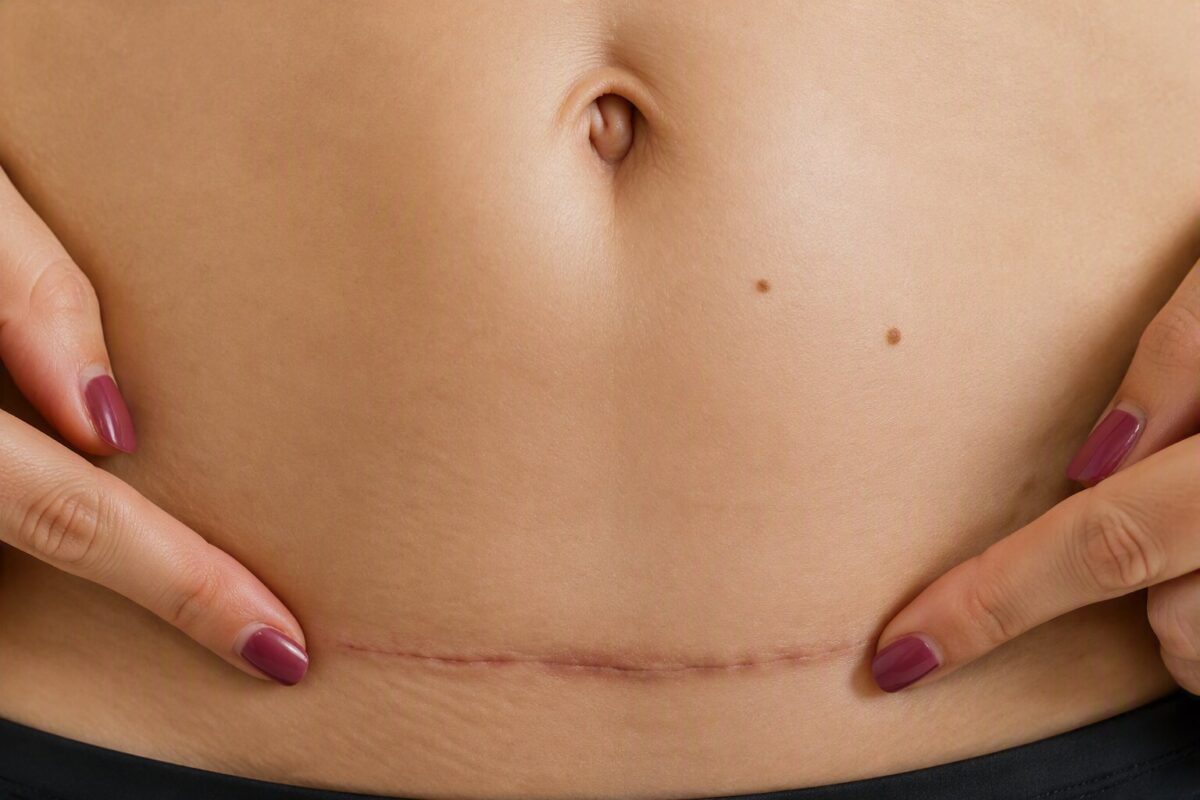 Normal wound healing
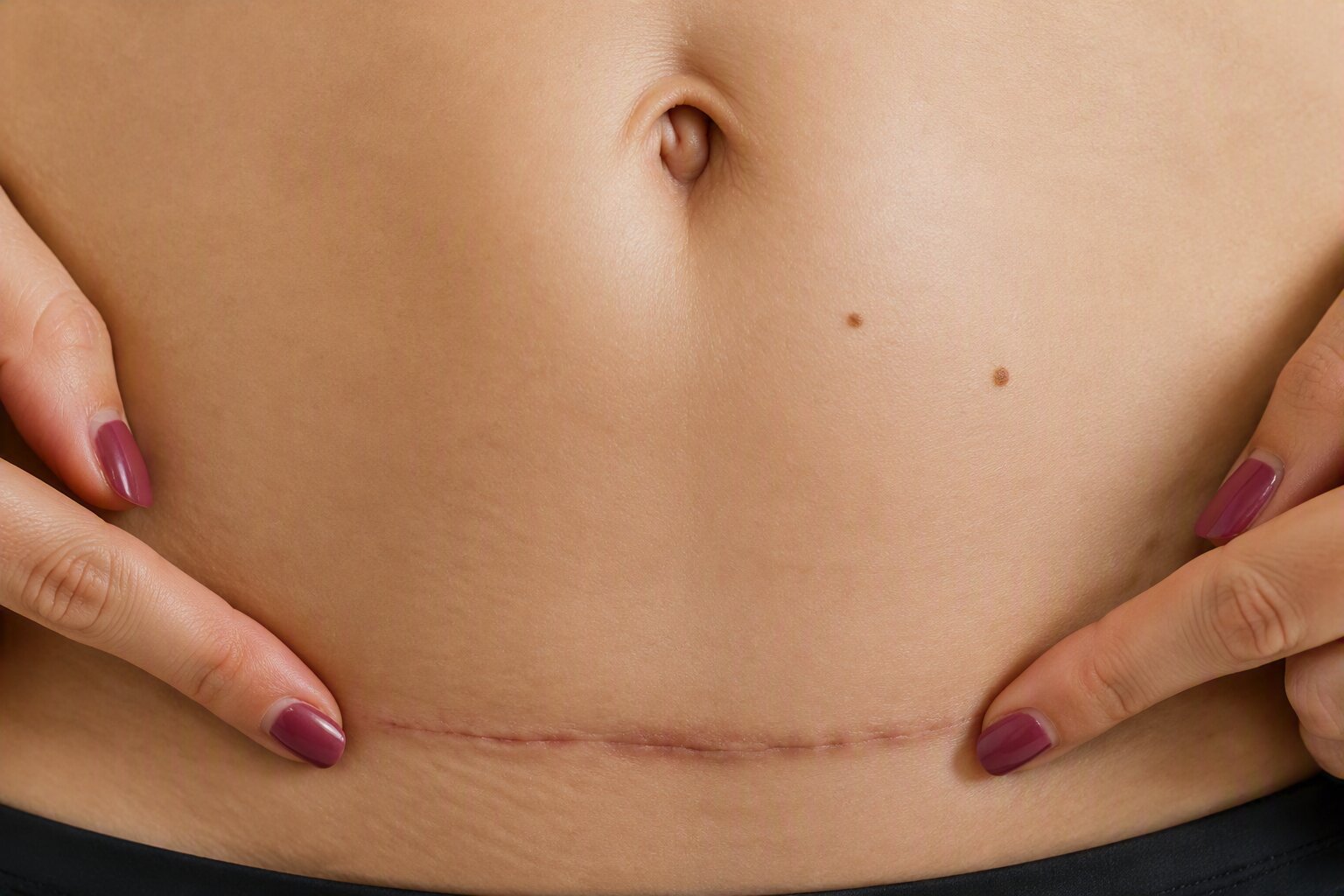
- Slight redness or discolouration along wound
- Possibly some swelling
- Possibly some pain
- Small amount of clear or straw-coloured fluid coming from wound
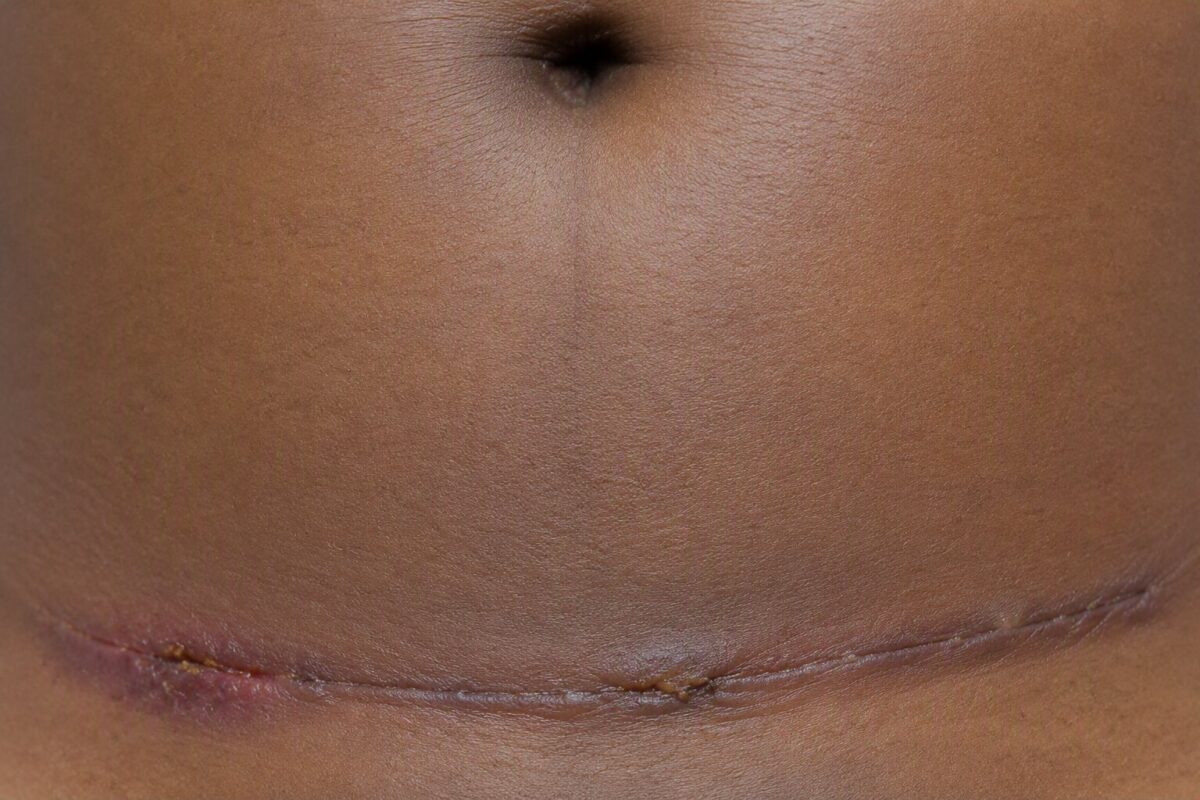 Possible wound infection
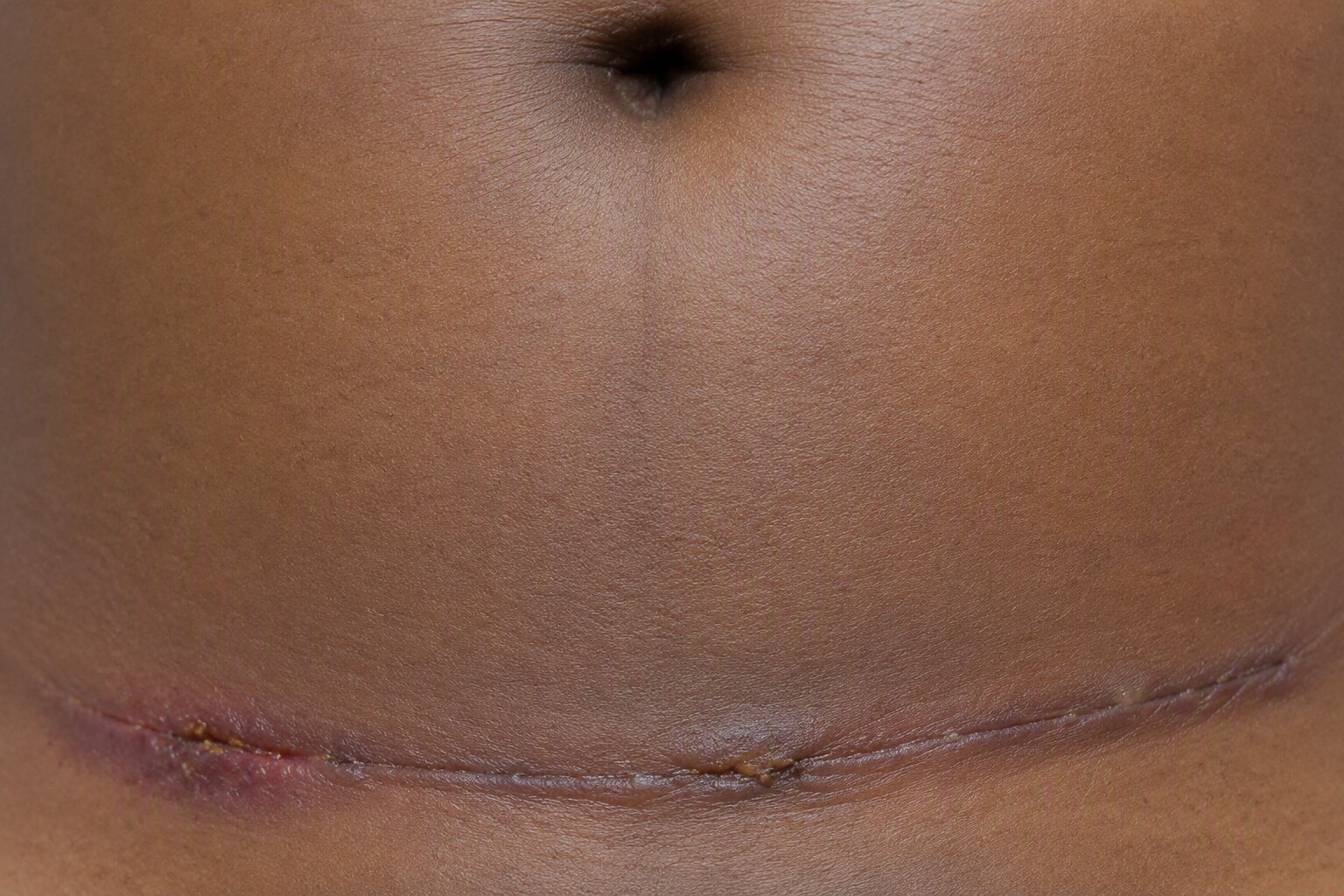
- Increasing redness or discolouration (this may be less prominent in those with dark skin tones)
- Increasing swelling
- Increasing pain or tenderness (especially at rest)
- Green or yellow discharge (pus) or bleeding from the wound
- Smell coming from the wound that is offensive
- Developing a higher-than-normal body temperature (fever)
- Feeling generally unwell
Contact
By following this information leaflet this will help give your wound the best chance of healing. If you have any questions regarding your wound, please contact your midwife or district nurse.
Maternity Triage, Forth Valley Royal Hospital: 01324 567098.