

First Robotic Assisted Surgery Procedures Take Place
Nineteen patients from across Forth Valley have undergone robotic assisted surgery in the last six weeks using the new state-of-the-art system installed in theatres at Forth Valley Royal Hospital.
While the initial operations focused on shorter, simpler procedures like hernia repairs, surgeons are now undertaking more complex procedures. This includes bowel resections where cancerous sections of the bowel along with nearby lymph nodes are removed and the healthy ends reconnected. There are also plans to introduce additional colorectal, gynaecological and urology procedures over the coming months.
The feedback from patients treated so far has been very positive with many highlighting faster recovery times, quicker wound healing and reduced pain as just some of the benefits they have experienced.
Michael Cavin from Stirling was one of the first patients to be treated at Forth Valley Royal Hospital for a hernia repair. He said: “When I was first asked about undergoing the procedure using the new robotic system, I wasn’t worried as I had seen it being used in other operations on TV and knew that it can help improve the vision and precision of the surgery carried out.
“I am very happy with how the operation went as my wounds were very small and I needed very minimal pain relief so was able to stop taking strong painkillers quite quickly.
Walter Gibb from Grangemouth, who works for NHS Forth Valley as a Building Manager, also underwent a hernia repair using robotic assisted surgery. He said: “The surgeon got in touch and asked if I would be happy to have my operation using the new surgical robot. I’ve never had an operation or a general anaesthetic before so I was a bit nervous, but I know that this is the future and I was happy to be part of it.
“The operation went well and I felt well enough to go back to work after just two and a half weeks. I know other people who have had hernia operations who have taken much longer to recover so I was pleased I was able to get back out and about so quickly.”
Robert Keith from Clackmannanshire, the first patient to undergo a bowel resection procedure using robotic assisted surgery, said: “I was feeling a bit apprehensive at it is a major operation however I had the operation on a Tuesday and was discharged two days later which was amazing.”
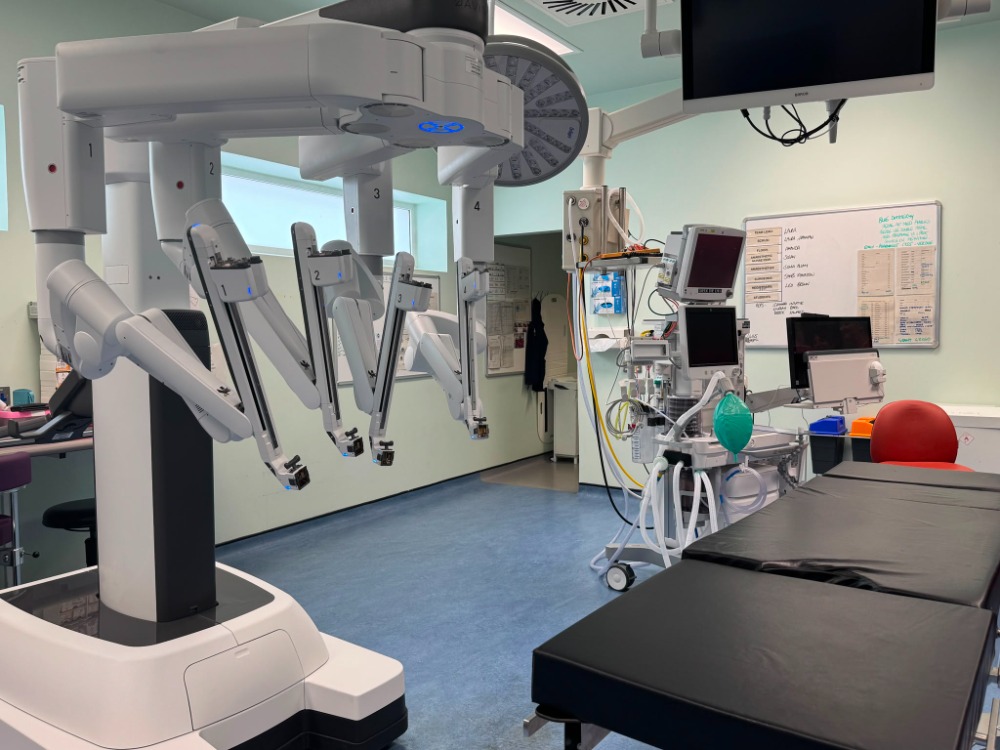
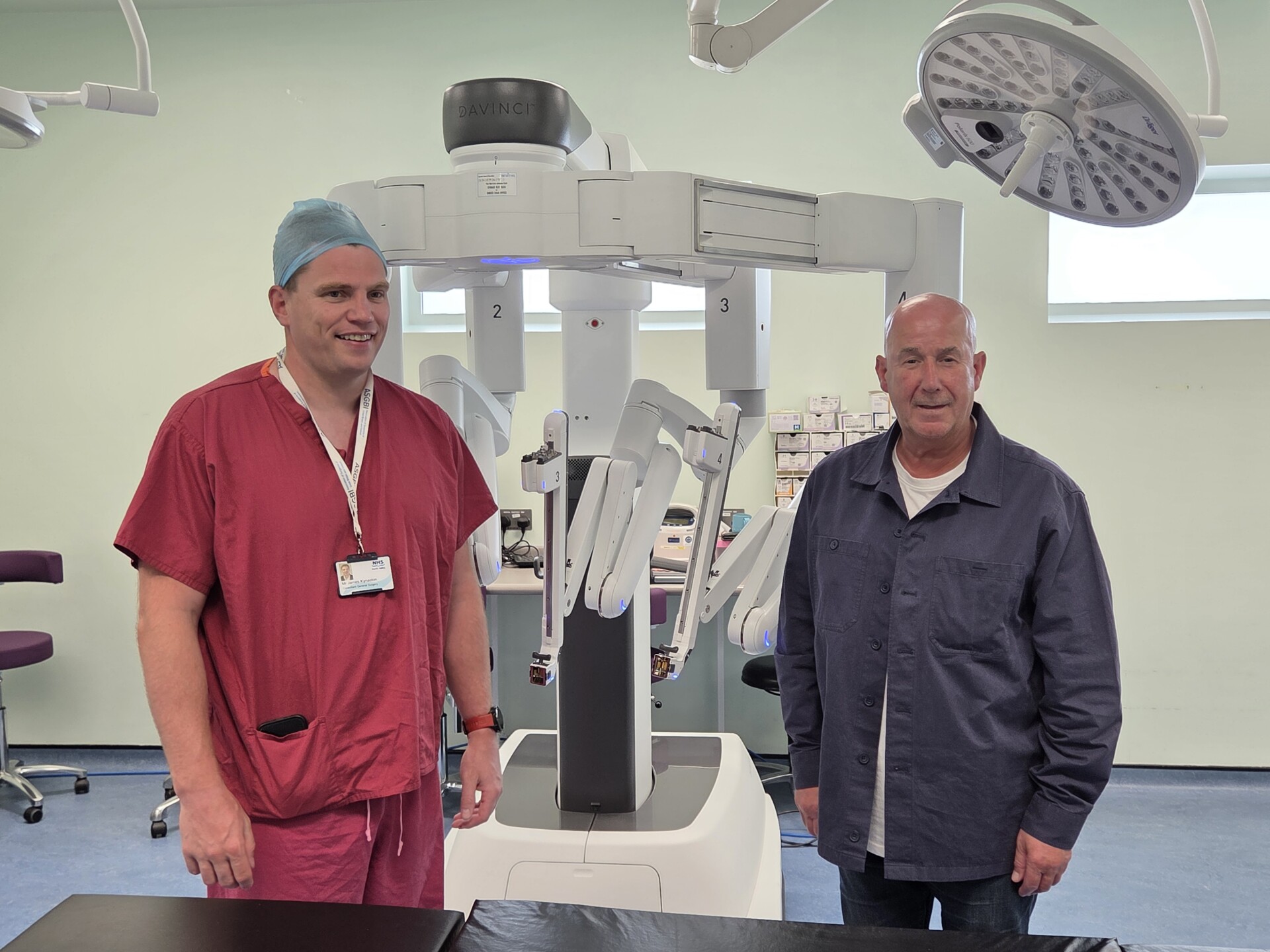
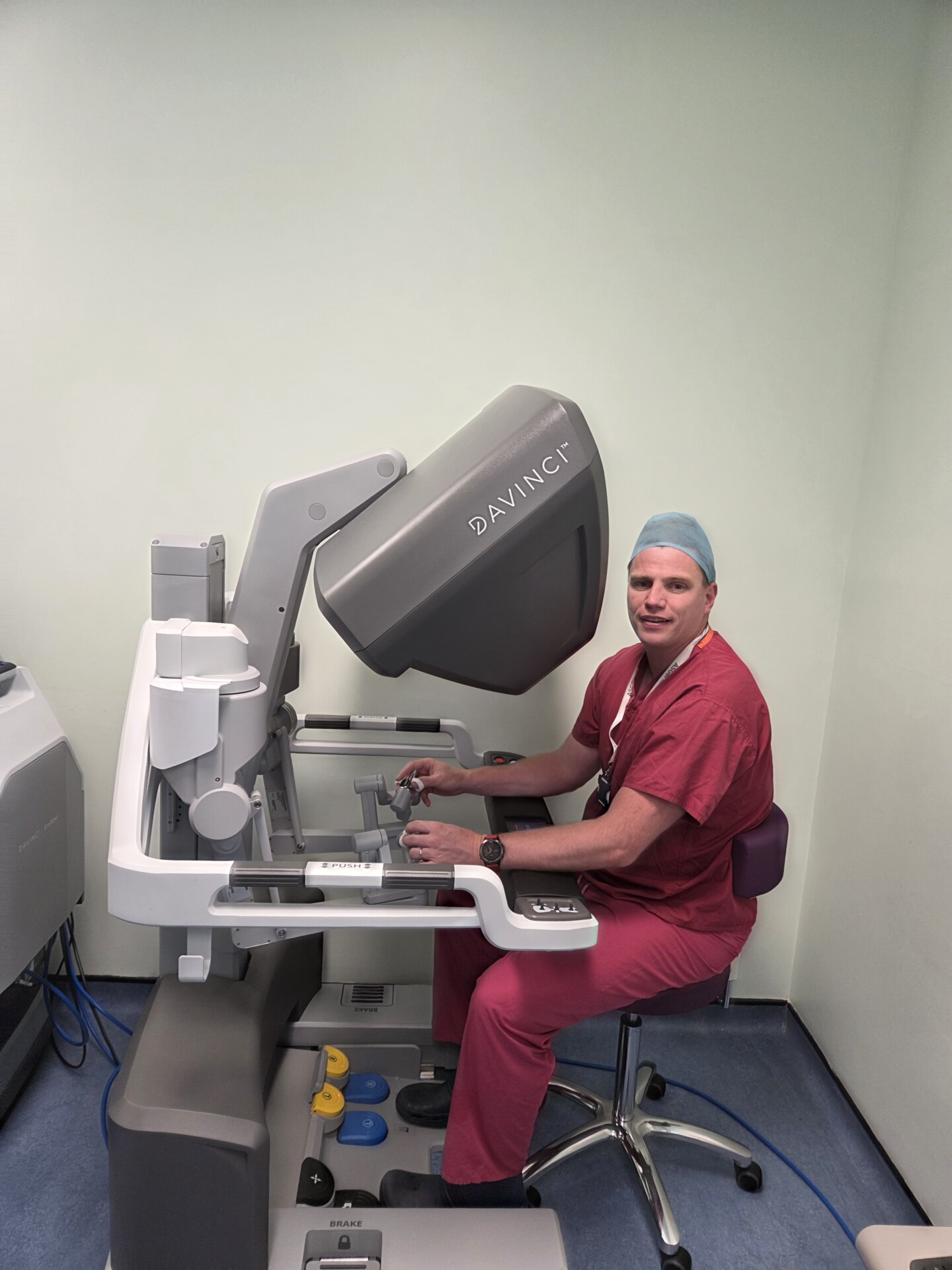
Robotic Assisted Surgery enables surgeons to operate with a highly magnified, three-dimensional view of the surgical field, enhanced lighting and exceptional precision. Although the instruments are held by a robotic system, all movements are fully controlled by the surgeon from a nearby console.
This technology eliminates any unintentional hand tremor, improves control and fluidity of movement, and allows safer, more precise access to complex anatomical areas, including the deep pelvis. Clinical evidence shows that these advances can result in shorter operating times, reduced blood loss, better nerve preservation and a lower risk of complications. For patients, this may lead to less post-operative pain, fewer complications, shorter hospital stays and a quicker return to normal daily activities.
Robotic Assisted Surgery also offers important benefits for staff. Improved ergonomics reduce physical strain on surgeons, helping to minimise fatigue and injury while supporting long-term wellbeing and career sustainability.
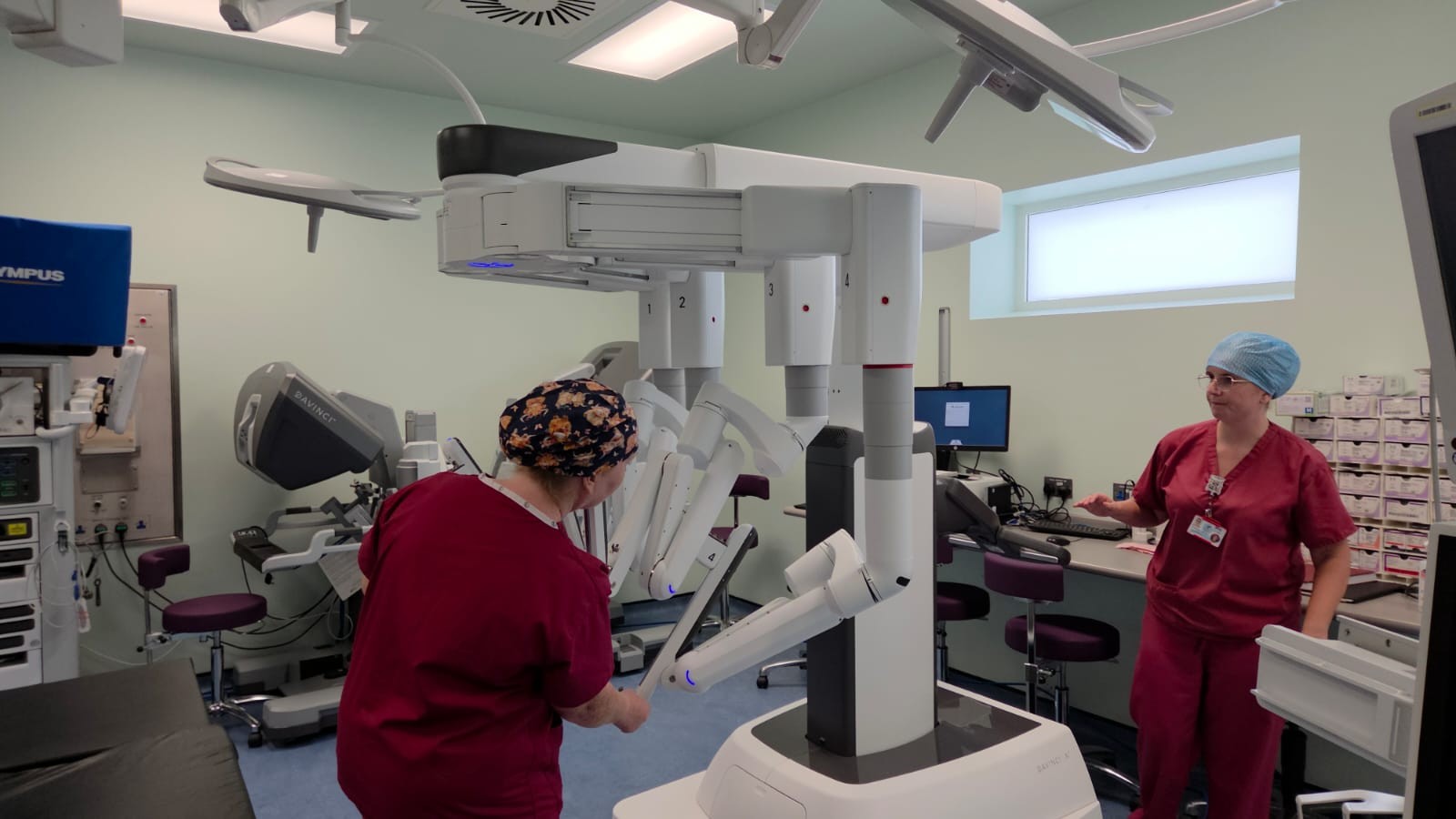
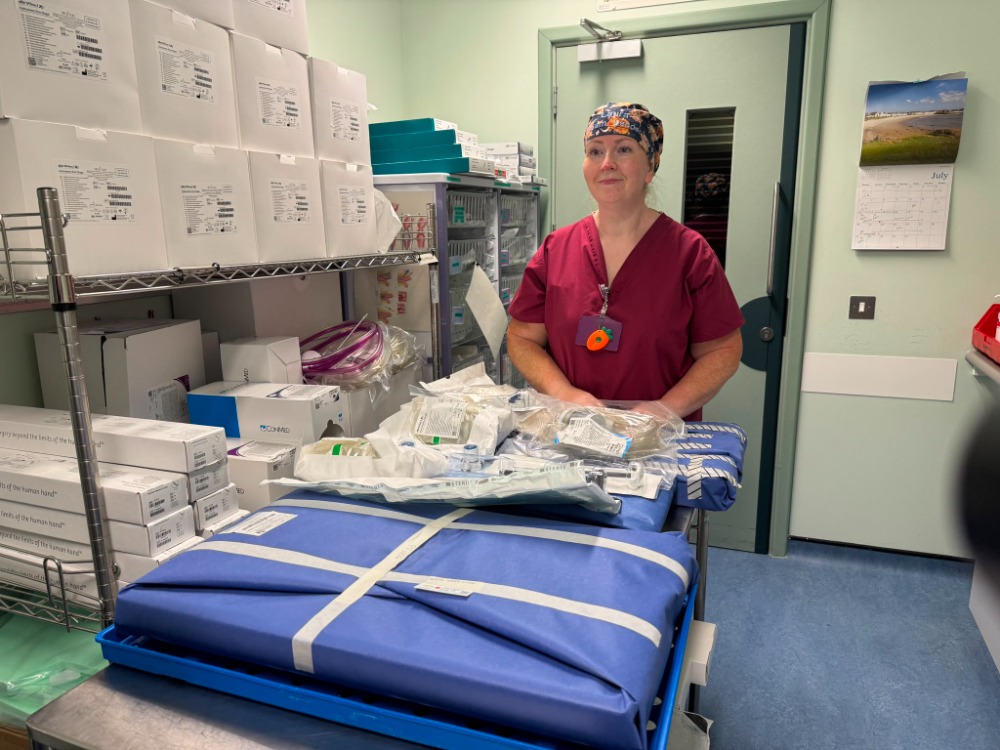
To-date, 19 robotic assisted surgical procedures have been carried out at Forth Valley Royal Hospital and there are plans to undertake around 200 procedures in the first year, 350 in year two rising to around 400 in year three. Two colorectal surgeons have undergone detailed training in the use of the new Da Vinci XI dual-console robotic system and there are plans to train further surgeons across a number of specialties over the next few months.
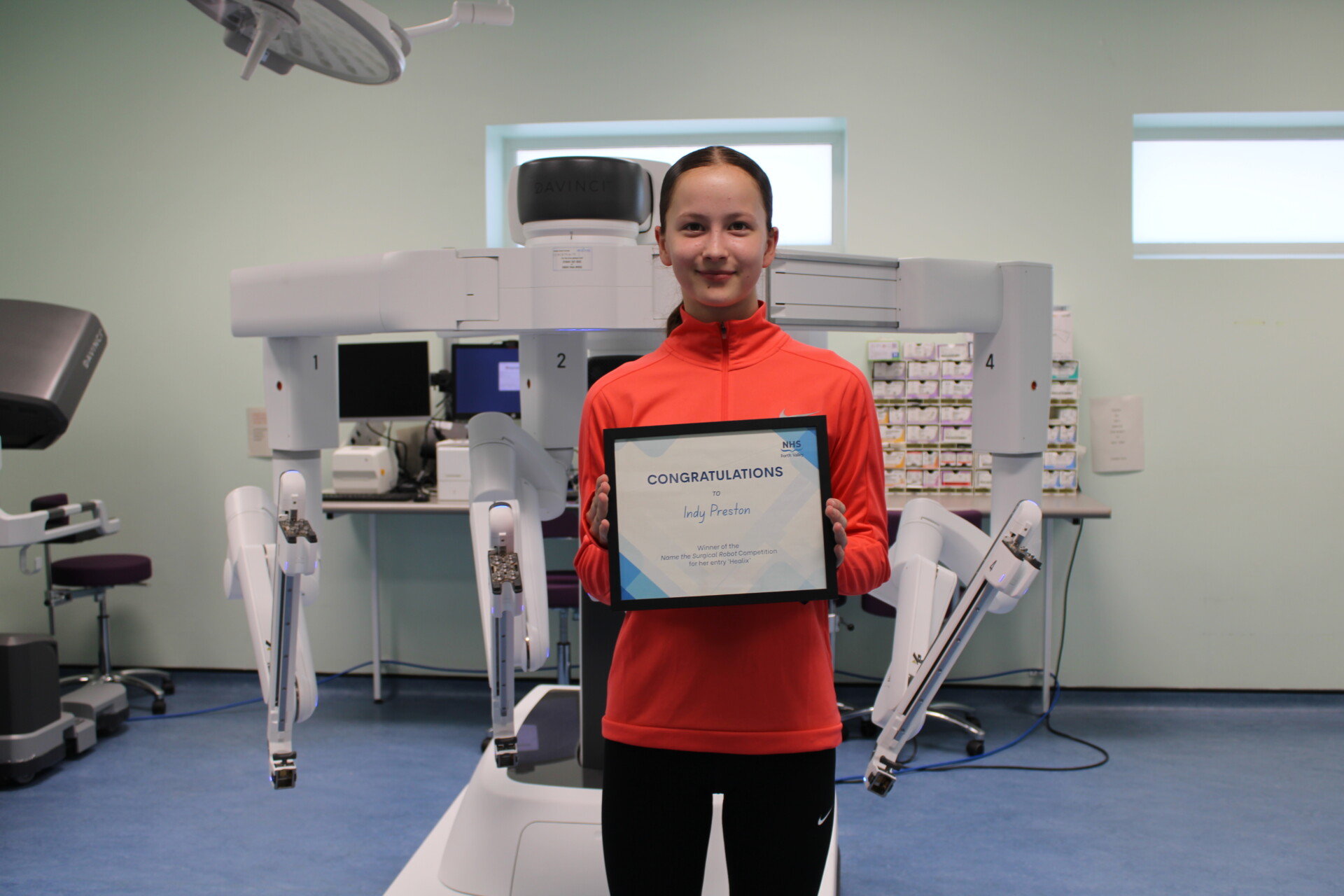
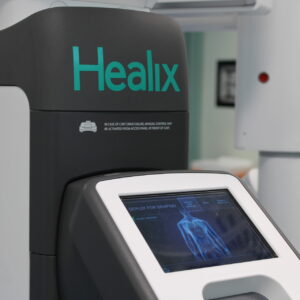
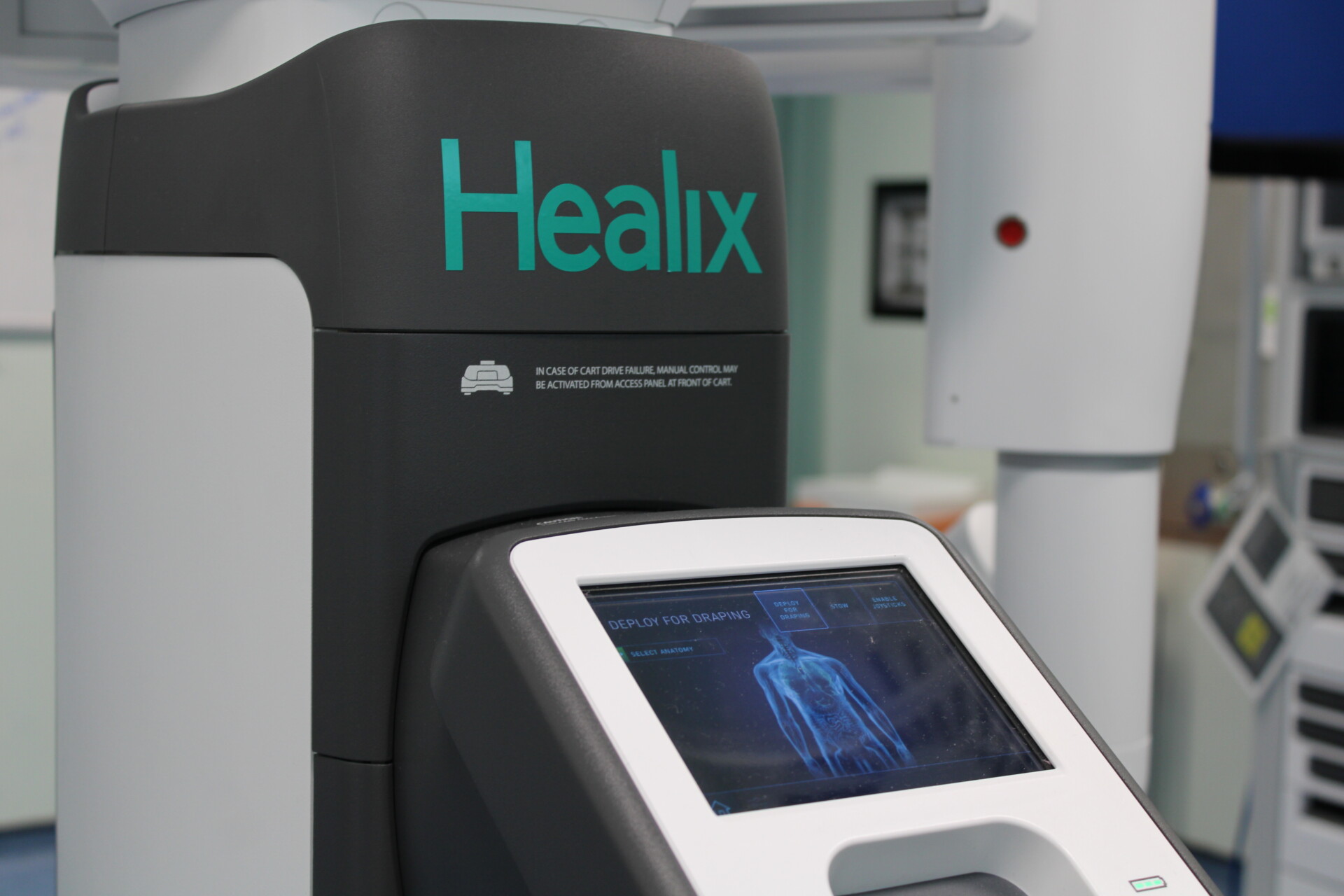
The robot has also been officially named after a competition was held in the Children’s Ward and 14-year-old Indy Preston came up with the winning suggestion of ‘Healix’.
Dr Julie Christie, NHS Forth Valley’s Associate Medical Director for Women, Children and Sexual Health, said: “The introduction of robotic assisted surgery has gone really well and is enabling staff to deliver high-quality complex surgery closer to home, improve outcomes for patients and further enhance their clinical skills and experience.”
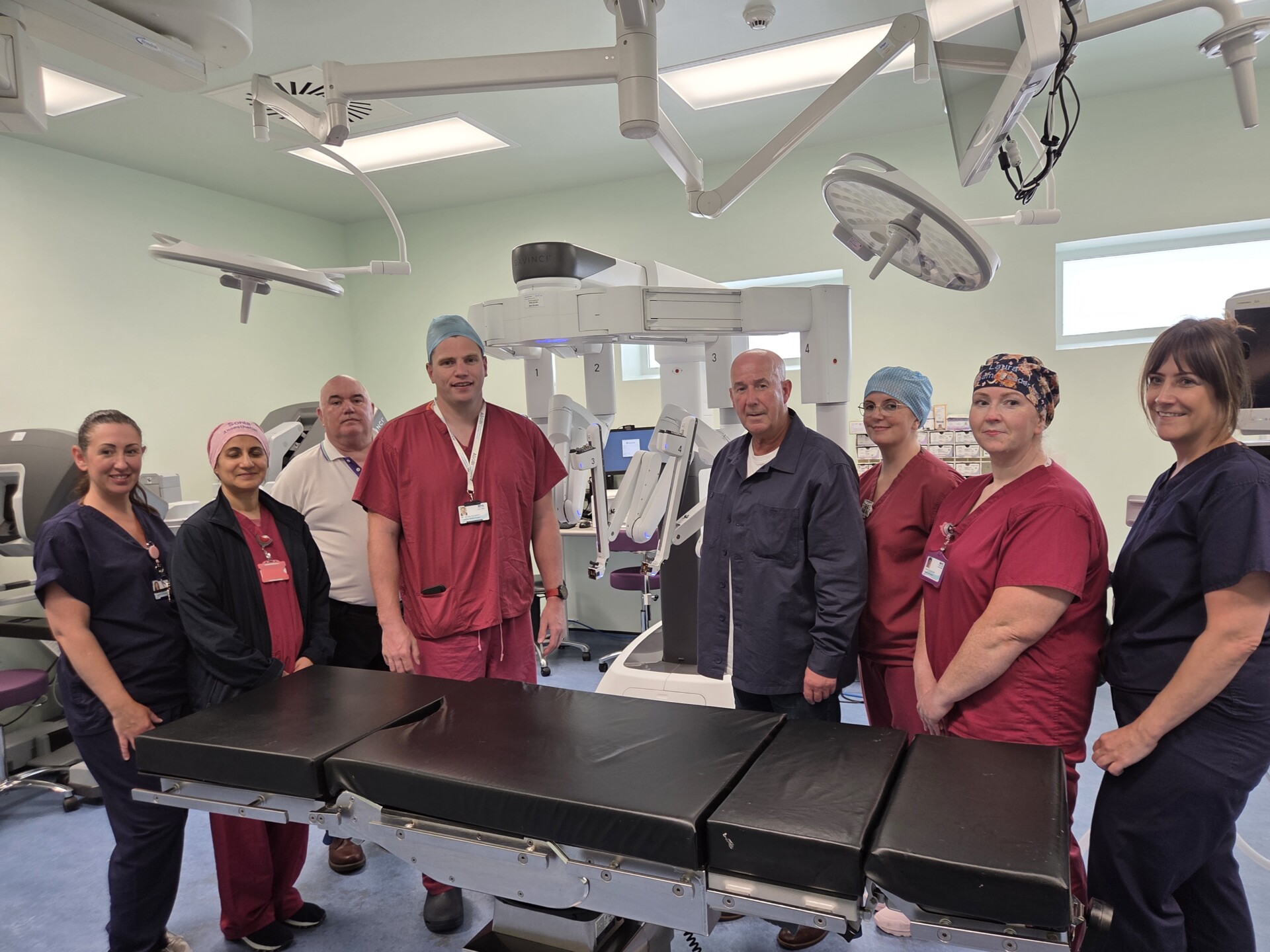
Mr Paul Hendry, Consultant Laparoscopic General and Colorectal Surgeon, added: “I’d also like to pay tribute to the whole theatre team for how quickly and enthusiastically the have adapted to the introduction of robotic surgery at the hospital.”
-
- Robert Keith and James Kynaston
-
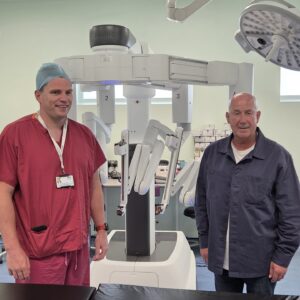
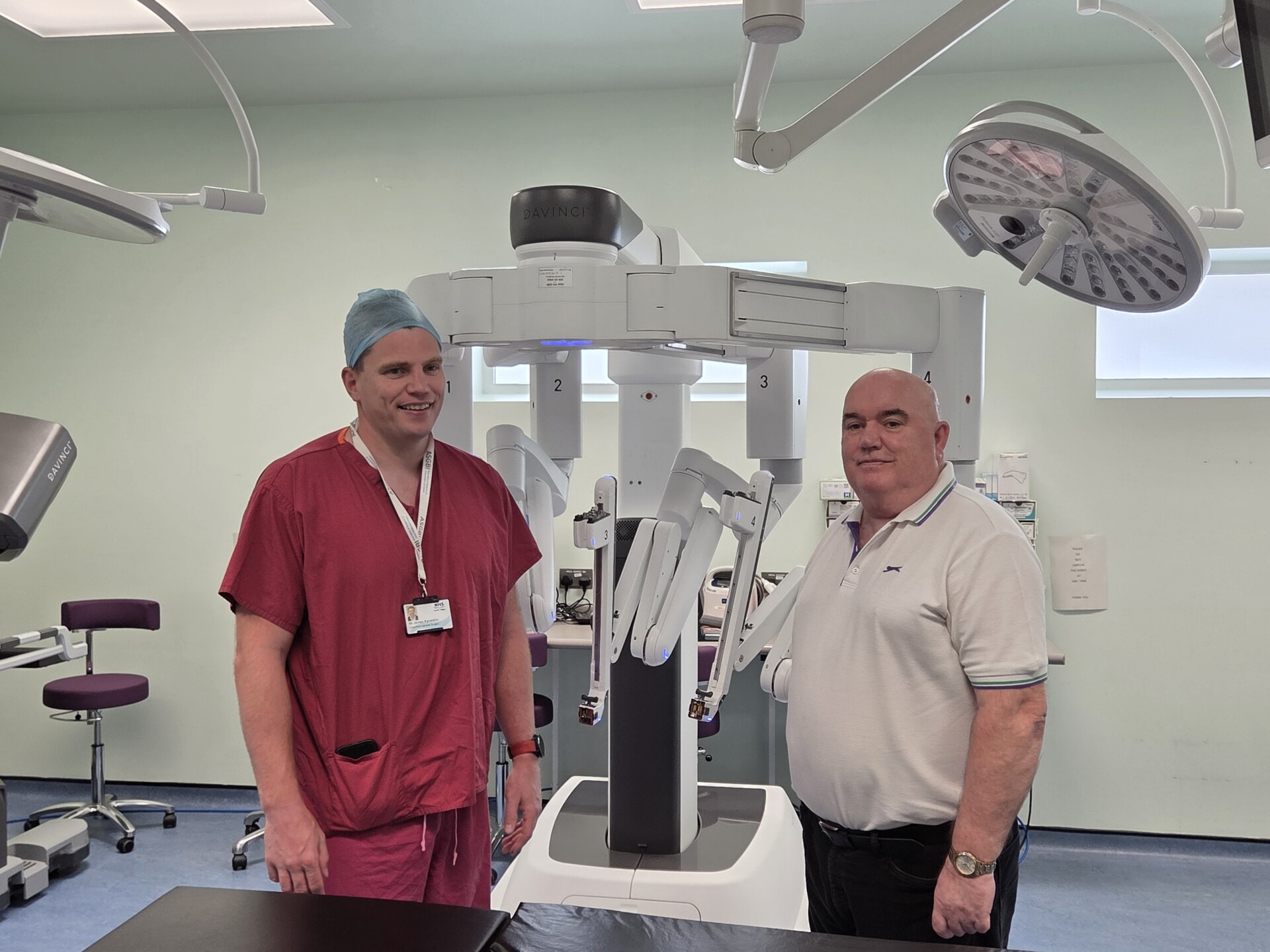
- Walter Gibb and James Kynaston
-
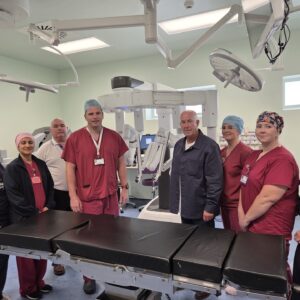
- Theatre team
-
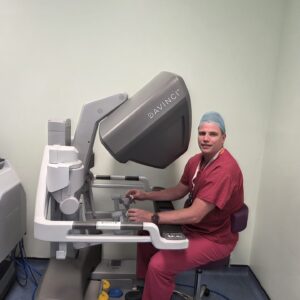
- Console controlled with foot and hand pedals
-
- Theatre staff
-
- Surgical supplies
-
- Indy Preston – name the robot winner
-
- Healix was the winning name
-
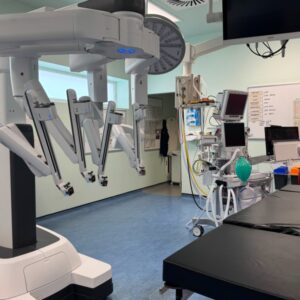
- Robotic theatre