


Dysphagia is the medical term for swallowing difficulties (pronounced “dis-fay-gee-uh”).
It can happen with food, drinks, acid reflux, and/or saliva.
What are possible consequences of dysphagia?
- Food or drinks can ‘go down the wrong way’ when you swallow. Food or drink may go down into your lungs, rather than down your foodpipe. This is known as ‘aspiration’.
- Aspiration can lead to choking, chest infections or pneumonia, and serious illness
- Weight loss
- Malnutrition and dehydration
- Reduced quality of life (you might feel anxious, low in mood, and isolated)
What can cause dysphagia?
There are lots of conditions that can cause dysphagia. Here are some examples:
- Stroke and brain injury
- Dementia
- Head and neck cancers
- Progressive neurological conditions e.g. Parkinson’s Disease, Motor Neurone Disease
- Frailty
- Reflux disease
- Approaching the end stages of life
Dysphagia can be temporary and get better, for example after some strokes or an acute illness.
Sometimes dysphagia can be a life-long. In certain conditions it can worsen over time.
What are the signs of dysphagia?
- Coughing or choking when having food or drink
- Food or drinks “going down the wrong way” (aspiration)
- Wet or gurgly voice during or after eating and drinking
- Food and drink left over in the mouth
- Food or drinks spilling out of the mouth
- Difficulty chewing food
- Eating more slowly than usual
- Becoming short of breath during eating or drinking
- Feeling of food sticking in the throat
- Losing weight
- Feeling anxious about eating and drinking
If you notice any of these signs, or are concerned about a change in your swallowing, please contact your Speech and Language Therapist or your GP.
What can help?
Oral hygiene
Good oral health is essential for those experiencing swallowing problems.
Poor mouth care can increase the risk of chest infections and other health problems.
Clean your teeth, gums, and tongue at least twice daily.
Medications
If you have trouble swallowing medications, please speak to your doctor or pharmacist for advice.
Never cut or crush tablets, open capsules, or thicken medicines without advice from your doctor or pharmacist first.
What can I do to help?
- Sitting in an upright position
- Ensuring you are alert enough
- Reducing distractions at mealtimes where possible e.g. turn off the TV
- Not rushing and taking time to eat your meals
- Cutting food up to smaller pieces
- Taking smaller mouthfuls
- Chewing food well
- If you wear dentures, make sure these fit well, and wear them for meals
Your Speech and Language Therapist may recommend other strategies to make chewing and swallowing easier for you. This may include postures, changes to eating and drinking behaviours, or exercises, to name a few.
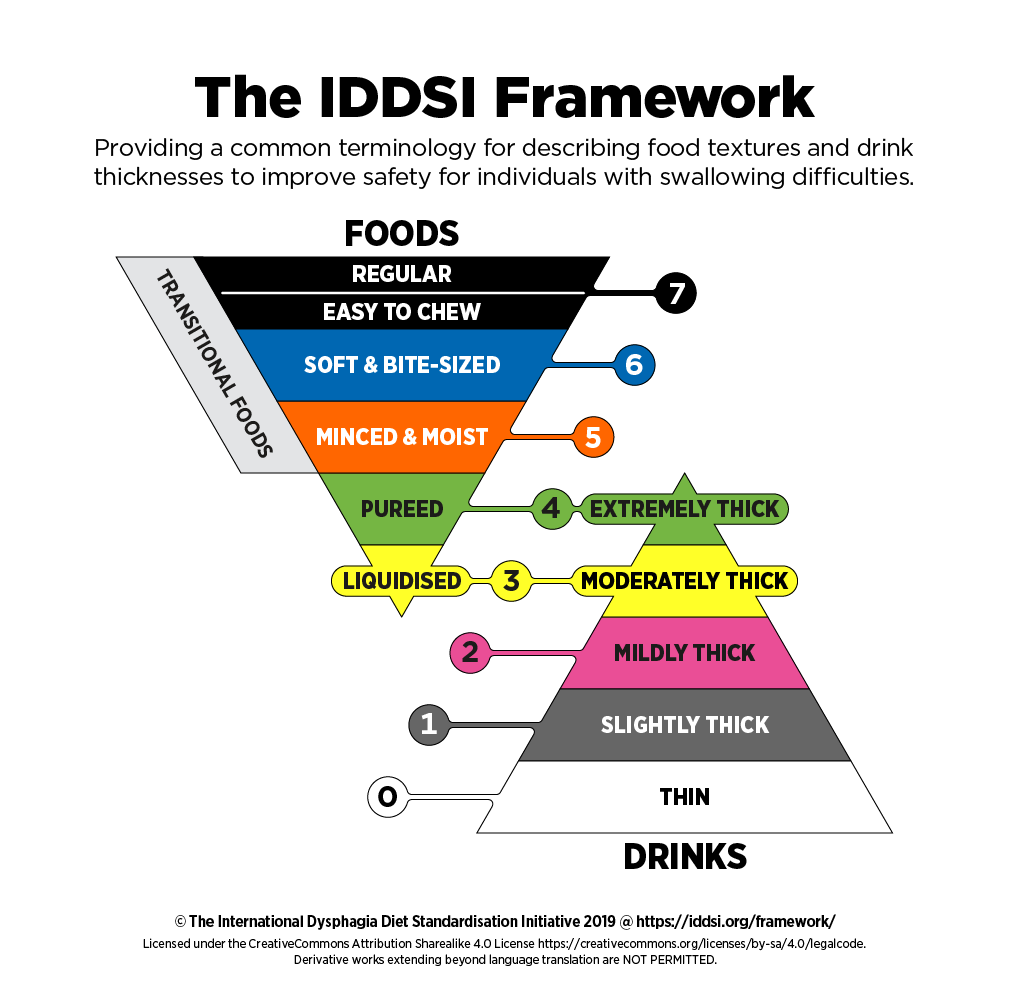
Sometimes, they may recommend changes to the texture of food and drink, for example eating softer foods, or drinking thicker drinks. These can sometimes be easier and safer to swallow.
Please speak to your therapist and refer to separate leaflets on the food and drinks you have been recommended.
Who else can help you?
Speech and Language Therapists will assess your swallow and offer advice and recommendations, focusing on your individual needs and wishes.
They may recommend you go for a scan or other investigations.
Dietitians can advise on nutrition and dietary support, and offer advice on nourishing foods and drinks.
You may be referred to specialists (for example, Gastroenterology or Ear, Nose, and Throat doctor), if further investigations or treatments are needed.
There may be other professionals involved, depending on your specific needs.
Your GP or local pharmacist can support you if you have difficulty swallowing medications. Speak to your GP if you have swallowing difficulties that may be related to reflux disease.
Self help resources
The patient handouts provide easy-to-read information about the IDDSI levels, their testing methods and include examples of foods for each level and food textures to avoid.
The handouts can be used by people who have feeding, chewing or swallowing problems, their caregivers and clinicians. They are available in various different languages.
Easy read resources
- Easy Health – Easy Health are an online library of accessible health information with simple words, clear pictures and films.
Useful links and resources
- Dysphagia (Swallowing Problems) (NHS Inform)
- IDDSI videos – Videos are available in English, as well as, a range of other languages.
- Thickening Drinks video (Chesterfield Royal Hospital)
- Speech and Language Therapy (SLT) (NHS Forth Valley)
Staff resources and training
- Management of Dysphagia Module – This training is for all trained and untrained nursing staff, AHPs, and other staff involved in the process of supporting and monitoring nutrition and hydration.
- IDDSI Webinar – For Healthcare Professionals
- IDDSI Posters
Contacts
Adult Speech and Language Therapy Team: