


Coming into hospital
When you first arrive at hospital to be admitted as an inpatient you will undergo an assessment and the team of staff looking after you will gather information from both you and your family and/or carer. This will help us to decide what the best plan will be for you as an individual.
The team involved in your care will give you an idea of when you may be able to return home. This is called a ‘Planned Date of Discharge’.
When being admitted as an inpatient you may want to bring some supplies and the following items with you:
- Your admission letter.
- All your medicines you currently take including inhalers, vitamins and herbal products in their original containers.
- If possible, bring an up to date list of all your medicines and how you take them.
- Toiletries – If possible, please avoid bringing aerosol type deodorants due to the sensitivity of our fire alarm detectors.
- Nightdress or pyjamas – in some wards, patients can wear their own clothes during the day.
- Dressing gown and slippers.
- Your glasses if you need them and their case.
- Something to read or other items to help occupy yourself during your stay.
- Headphones (for patient entertainment systems).
- If you have dentures (false teeth) please bring a container with your name on it to store them in.
- Hearing aid, the case and spare batteries.
- Ear plugs to block out any noise during the night.
- Eye mask, as there are always some lights left on at night.
- Any other items that staff have asked you to bring.
- Details of any hospital or clinic appointments happening during your hospital stay.
- Contact details for your next of kin e.g. mobile number.
- Only bring a small amount of clothing as bedside storage is limited.
- A small amount of money for newspapers or other small items.
What not to bring
- Do not bring any alcohol or illegal substances with you, as we do not permit these.
- Do not bring a large amount of money, valuables, jewellery, clothes or other personal belongings with you. The hospital does not accept any responsibility for loss of, or damage to, personal belongings unless handed in to staff for safekeeping.
You may need a small amount of money for telephone calls, newspapers and other small items.
Visitors should be aware that some restrictions apply to items such as latex balloons and flowers. If you have any questions, whether as a patient, visitor or a carer, please speak to someone on the ward in the first instance.
It’s OK to Ask
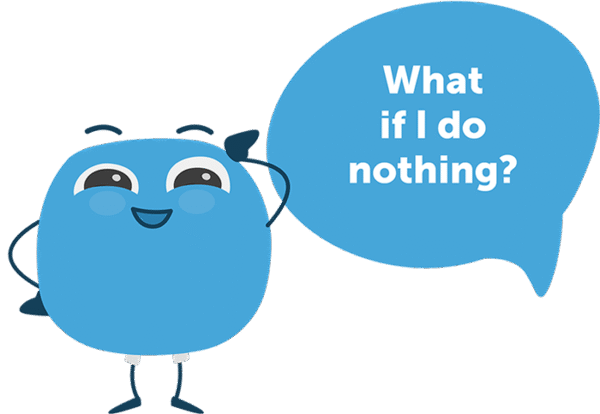 We encourage you to ask questions about your condition and treatment options to help you make better decisions about your care. This also ensures healthcare professionals involved in your care understand what matters most to you.
To help you get the most out of your next appointment, there are four key questions it’s worth remembering to ask.
- What are the benefits of my treatment?
- What are the risks of my treatment?
- Are there any alternative treatments I can try?
- What if I do nothing?
For more information visit our page about Realistic Medicine and Shared Decision Making.
Leaving hospital
Find out more about plans for you to leave hospital when its time for you to go home or be transferred to another health or care facility.