


Neck pain is pain or discomfort felt around the neck.
It can be a common problem that usually gets better after a few days or weeks. It’s rarely a sign of anything serious.
There are several structures in the neck, such as joints, ligaments, muscles, nerves and discs, which can all be strained or irritated and have an effect on our comfort. Also, pain can arise as part of the normal and natural ageing process.
Neck pain can be categorised into 3 types of neck pain:
- Simple/non-specific neck pain is pain or discomfort in the neck and can sometimes be felt around the shoulders.
- Neck pain with nerve pain is pain coming from the neck that is felt in the shoulder, down the arm and sometimes into the fingers. It can present as burning pain, paraesthesia (pins and needles) or anaesthesia (numbness).
- Whiplash related neck pain is pain in the neck following an acceleration-deceleration injury to the neck such as in a road traffic accident. For more information on whiplash, please look for the NHS Lanarkshire Whiplash information leaflet
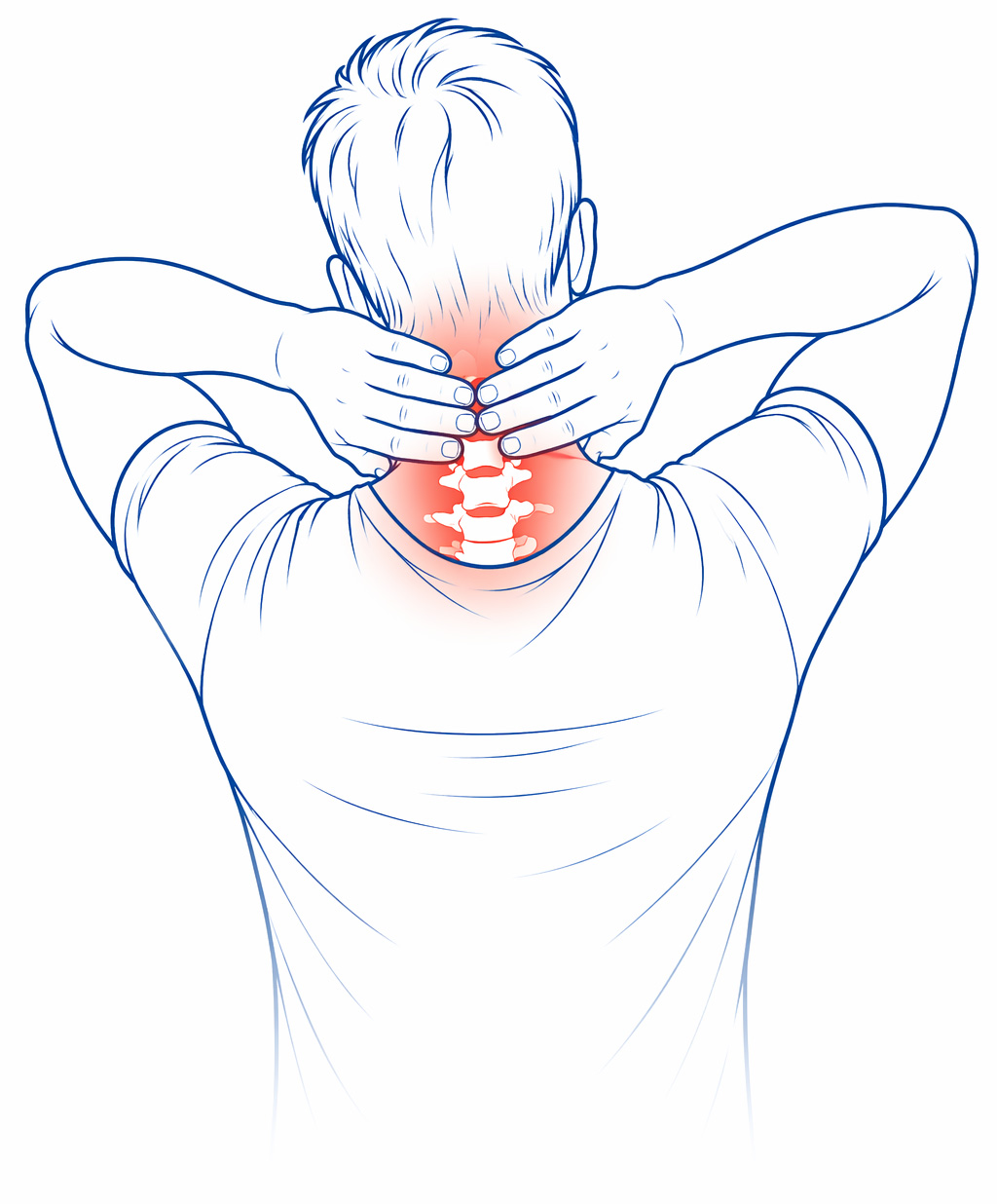
What are the symptoms of neck pain?
Symptoms of neck pain can include:
- Pain or stiffness or sometimes both together, pain with movements, posture or activities
- Intermittent Headaches
- Dizziness
- Muscle spasms
- Pins and needles/numbness or burning sensation.
How common is neck pain?
Neck pain is a very common condition, two out of three of us will experience it during our lives. It’s not usually serious and most often eases on its own or with simple treatment within a few days.
In patients who present to Physiotherapy, almost ½ will have some neuropathic factors (pins and needles/ numbness or arm pain)
What causes neck pain?
There is no one cause of non -specific neck pain. This means that in simple neck pain, it is not possible to identify one particular fault for the pain. Neck pain can be due to poor posture, normal ageing process, strain, sporting and occupational activities, anxiety, and even depression. The symptoms can also vary over time. It is important to note that normal ageing processes does not necessarily translate into pain.
You can have:
- Acute neck pain. This is an episode of pain that resolves on its own between a few days to a few weeks.
- Chronic neck pain. This is mild and/or intermittent pain for up to a year or more.
What can help with neck pain?
Remember that neck pain is a common problem and will usually resolve between a few days to a few weeks. There are a few things you can do to help with your pain:
- Try and remain active including staying at work and continuing with sports
- Using heat around your neck and shoulders can help
- Speak to your GP or pharmacist for simple analgesia in the acute phase (in the early phase when pain starts)
- Neck pain that may be caused by work, consider asking for a referral to occupational health for a work-based assessment if your work has access to this service.
- Pay attention to your posture in both sitting and standing; avoid lengthy periods in the one position. Try to avoid lengthy periods sitting or standing in one position. Change your position and move regularly. Getting up for a short walk can help if you work at a desk
- Wearing a neck collar is not recommended as it stops you from moving your neck and may prolong your pain
Can physiotherapy help?
Physiotherapists are qualified and skilled therapists in managing musculoskeletal conditions such as neck pain. Each patient is assessed and treated individually. It is therefore important when you speak to the physiotherapist to tell them about all your symptoms to help them make the appropriate decision regarding your particular neck pain. Physiotherapists use special physical examination techniques and special tests to assess your problem. Thereafter, they will use treatment and management strategies with the best evidence to help with your neck pain. Those strategies include:
- exercise: can consist of stretches, movements, strength
- advice and education
- manual therapy techniques
- acupuncture ( Although this may not be suitable for everyone and should only be used in conjunction with a suitable exercise programme for a short period of time)
*Neck manipulations are not recommended*
General exercise is important to maintain fitness, protect joints and promote general mental and physical wellbeing.
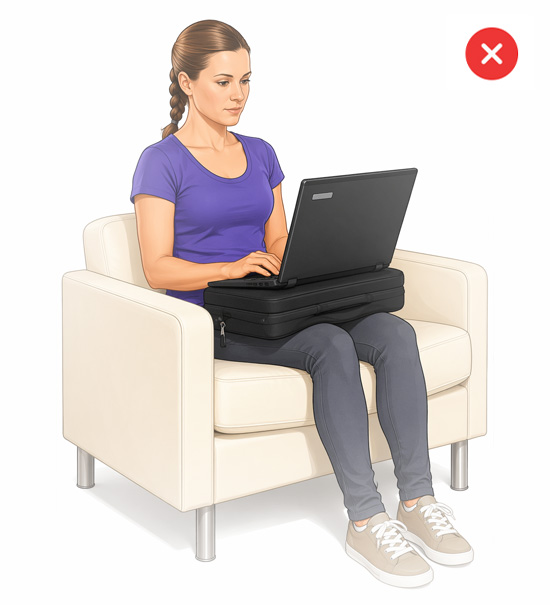
Avoid sitting slumped for long periods
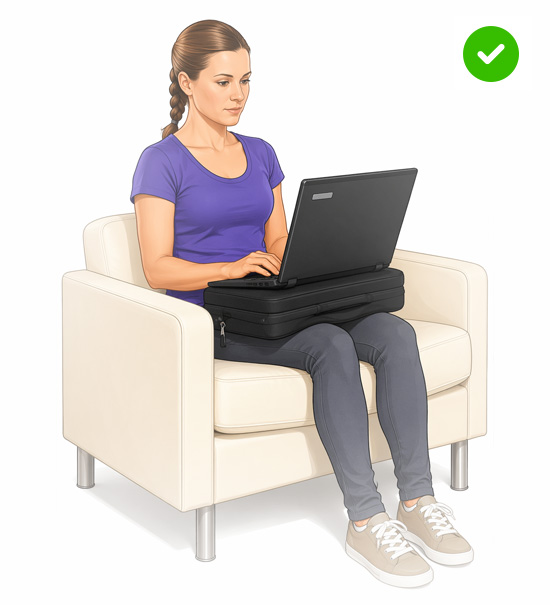
Try to sit straight
Lifestyle adaptions
With any ongoing conditions, you may need to make some changes to your regular activities to make life easier.
Non-slip bath mats, rails, bath boards or seats may make getting washed easier. If you struggle to get on and off the toilet a raised toilet seat or grab rail may be of use. Consider the layout of your toiletries and avoid having to stretch to reach items.
When drying hair you could try supporting your arm on a table if you are bothered with overhead activity and struggle to hold the weight of the hairdryer.
If you have one side that is painful try to avoid sleeping on the affected side especially with neck, shoulder or hip pain. You might find it helpful to use extra pillows to support your arms or legs.
If sitting try not to spend too long in one position. We recommend moving every 20 minutes. Consider the height of your chair and sit in a higher chair if you struggle to get up from sitting. Armchairs may be better than a sofa as you will have arm support.
Try not to attempt too many tasks in one day. Avoid spending too long doing repetitive activities such as cleaning windows and hoovering. You could try sitting down to iron.
In the garden try to vary the jobs so you don’t spend too long in one position.
If appropriate to you take a trolley rather than a basket even if you are only needing a few items as this will give you more support and avoid you having to carry heavy objects.
Try to break up longer journeys, get out and stretch your legs regularly.
When to speak to a professional
Please contact your GP or 111 if your start to experience:
- persistent or worsening headaches, dizziness, nausea or double vision,
- severe neck tenderness (pain that is getting much worse)
- lack of coordination – for example, trouble with tasks like buttoning a shirt
- heaviness or weakness in your arms or legs
- pins and needles in both arms which is worsening
- unsteadiness (feeling weak, losing your balance or falling over) when you walk
- loss of bladder or bowel control
These can be signs of a condition that may require early assessment and potential orthopaedic involvement.
If after following the above advice, your symptoms have not improved within 6 to 12 weeks, a referral to a physiotherapist may be beneficial. Speak to your GP about a referral.